Latest
Last April the Indian government made a jubilant announcement about poverty in the country, based on an assessment by the World Bank:
In one of the most remarkable achievements of the past decade…the proportion of people living [in extreme poverty] fell sharply from 16.2 percent in 2011–12 to just 2.3 percent in 2022–23.
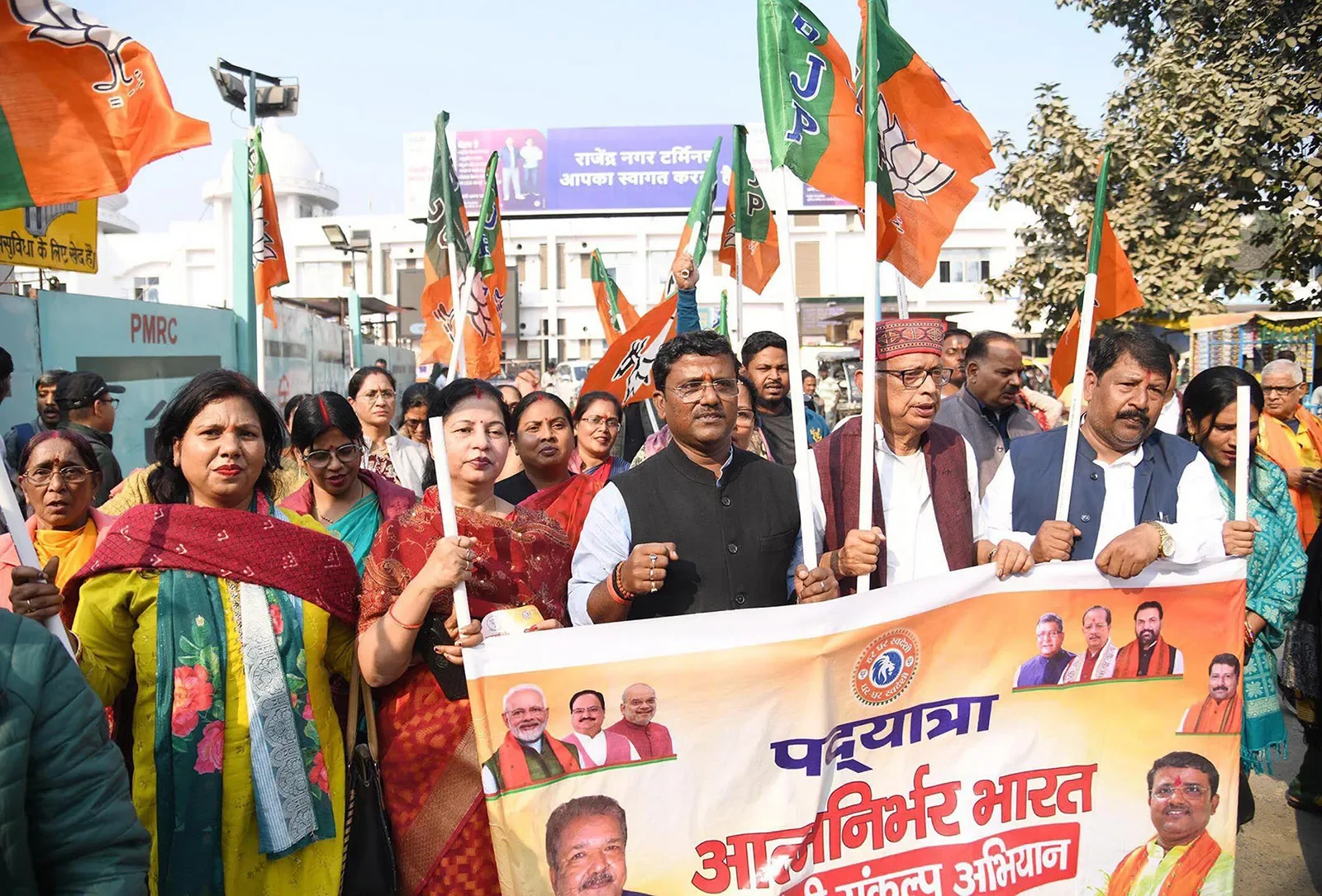
India’s 255,000 panchayats, or village councils, are the plankton of the country’s democracy. Elected every five years, they allocate government money for roads, toilets and primary schools while also having limited tax-raising powers. Last month, hoping for a glimpse of democracy in action, I attended a women’s self-help meeting in a panchayat hall in the southern state of Andhra Pradesh.
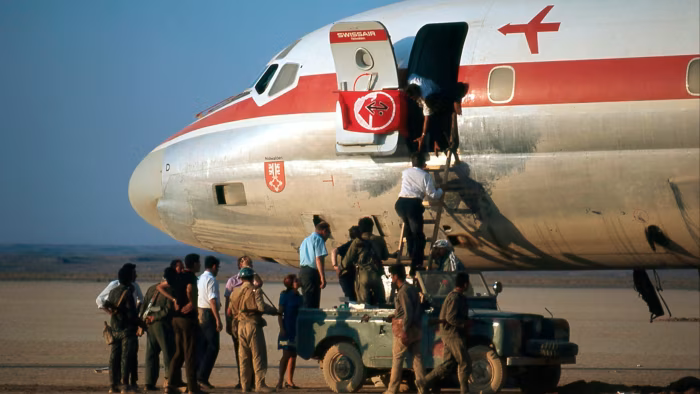
On September 6 1970, the Popular Front for the Liberation of Palestine hijacked two airliners and diverted them to “Revolution Airport”, a deserted salt pan north of the Jordanian capital, Amman. A third plane was hijacked and landed at Cairo and a fourth aircraft was diverted to London’s Heathrow airport.
Until its abolition before the last election, Penrith and the Border was England’s biggest, most sparsely populated constituency. Elected the local MP in 2010, Rory Stewart became a minister under David Cameron and Theresa May, voted to remain in the Brexit referendum and had the Tory whip withdrawn by Boris Johnson in 2019, after which he gave up his seat and started, with Alastair Campbell, The Rest Is Politics.
“I rode my favorite camel Asfar, a sweet-natured animal, into the Libyan oasis town of Murzuq.” This line, from Justin Marozzi’s “Captives and Companions: A History of Slavery and the Slave Trade in the Islamic World,” reminds us that Mr. Marozzi’s authority as a historian derives not only from a mastery of sources, but also his deep and idiosyncratic involvement with Muslim lands.
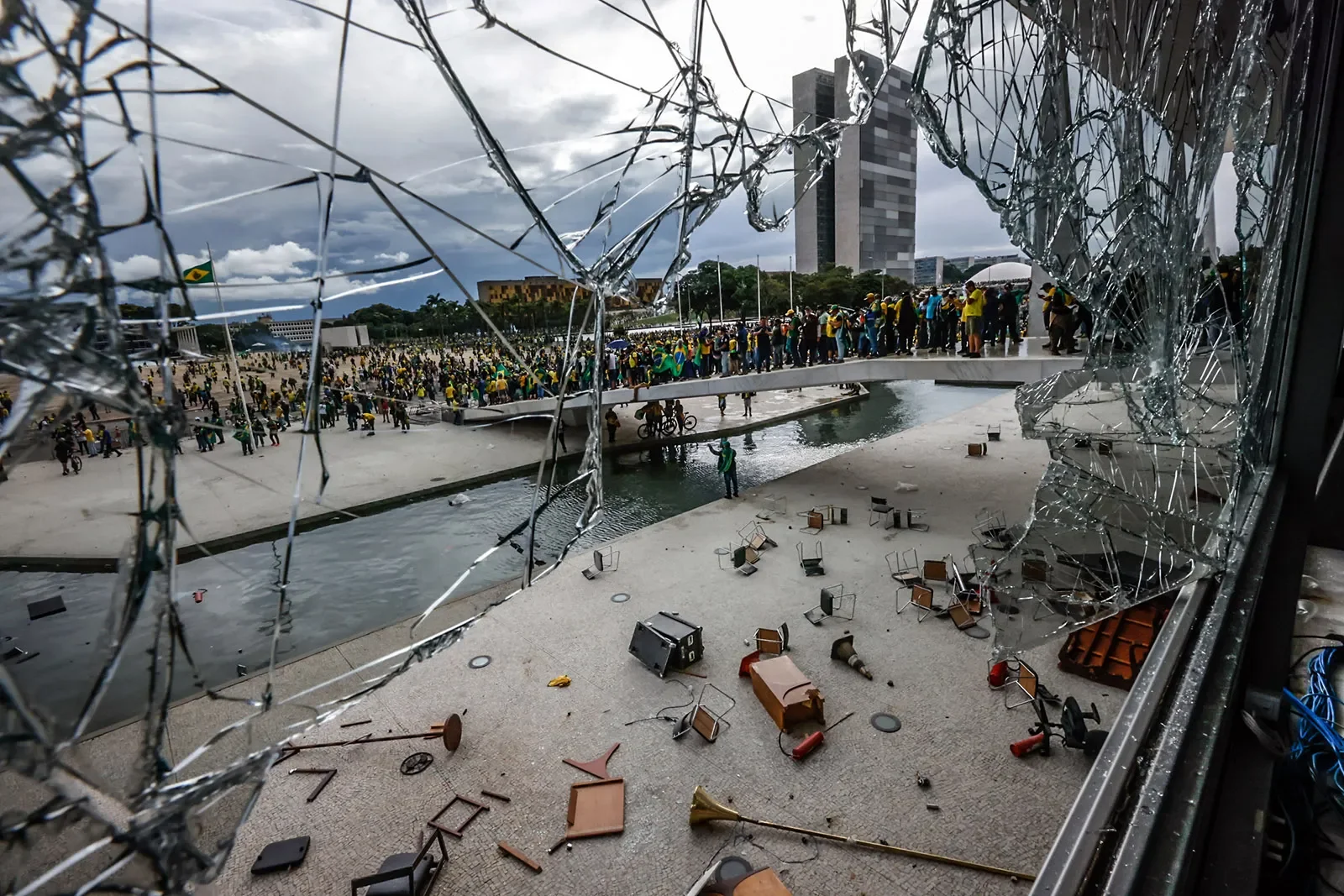
Is this the end of Bolsonarismo, that exotic compound of big business, violence and God that propelled its eponymous figurehead to the presidency of Brazil, and now to the edge of oblivion?
A doomsday scenario may be sketched out as follows: recognition of a Palestinian state being dead on arrival, the Palestinians continue to be persecuted not only in Gaza but also the West Bank and Israel proper, while Israel engorges itself on militarism and nationalism.
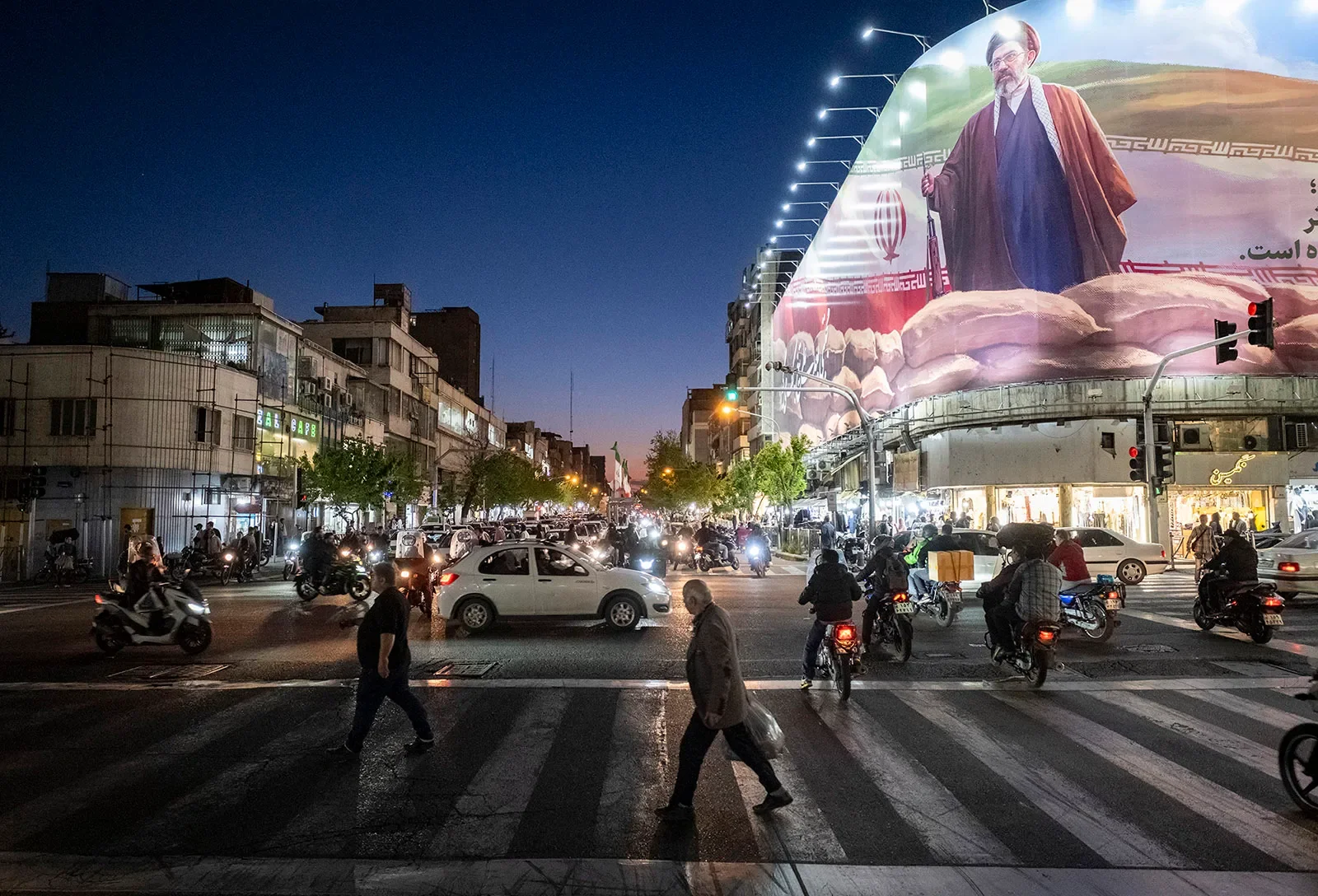
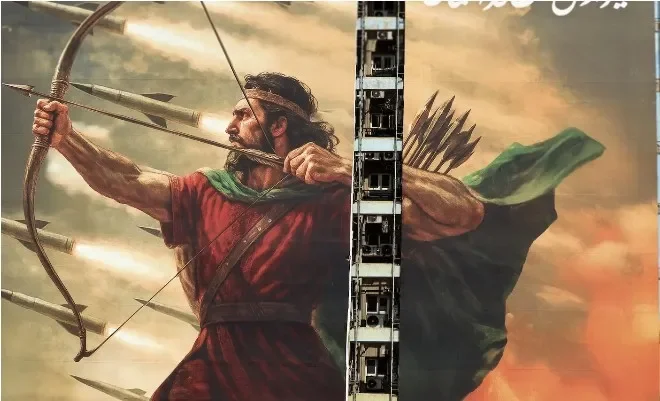
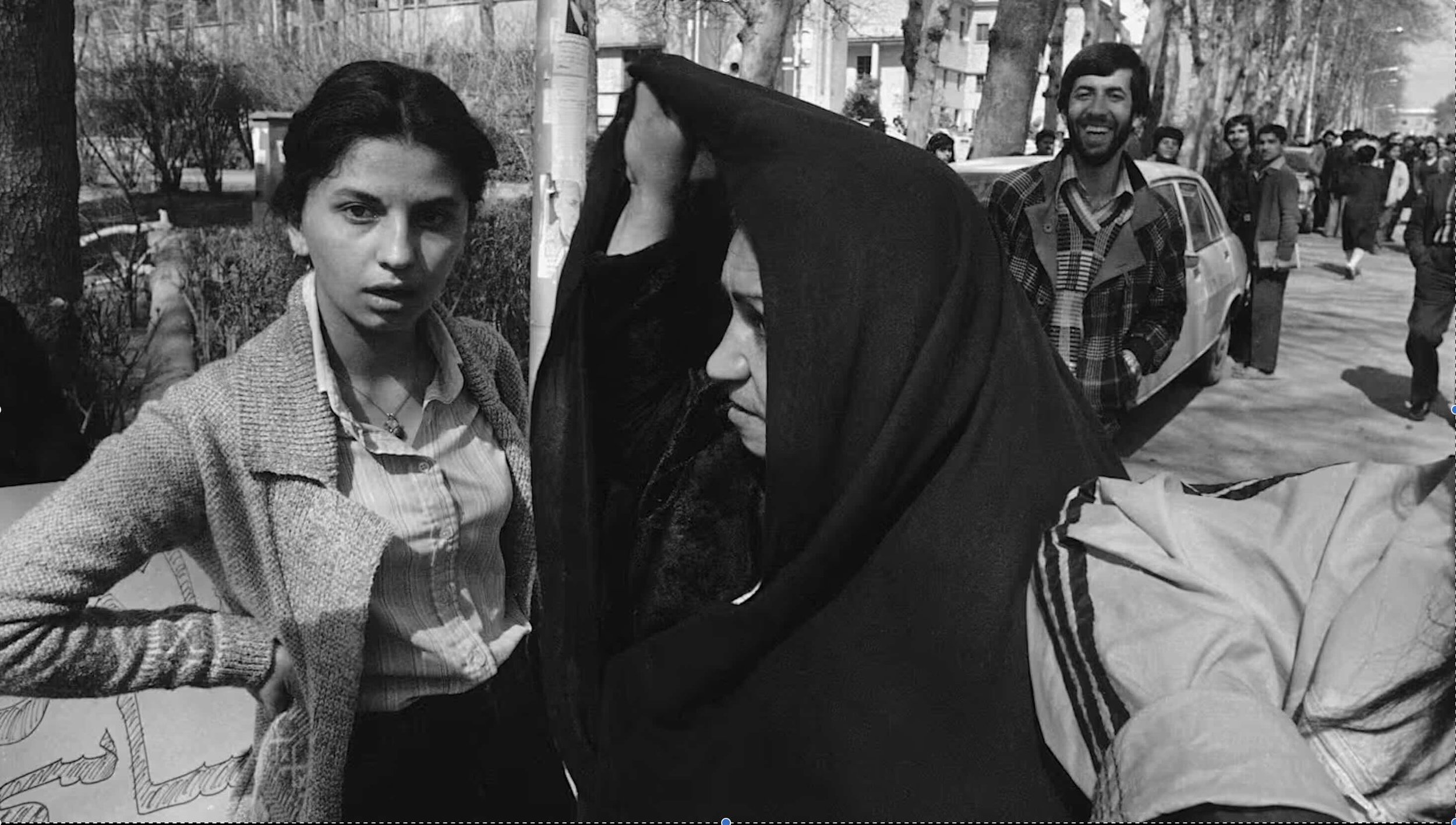
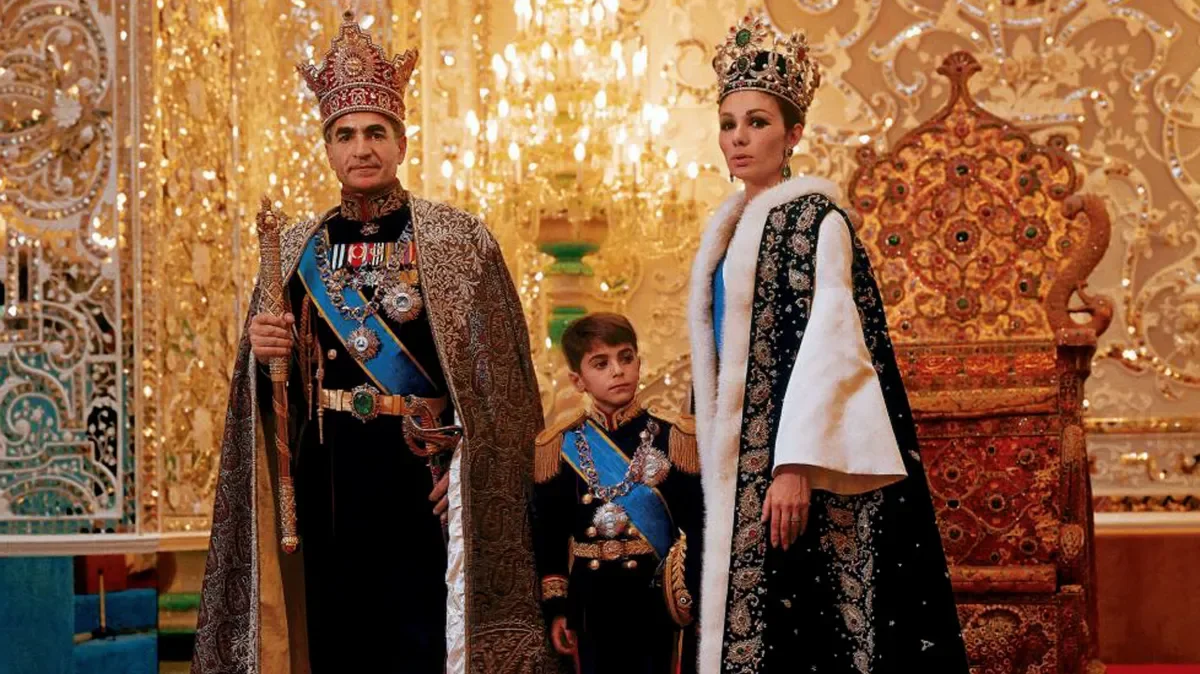
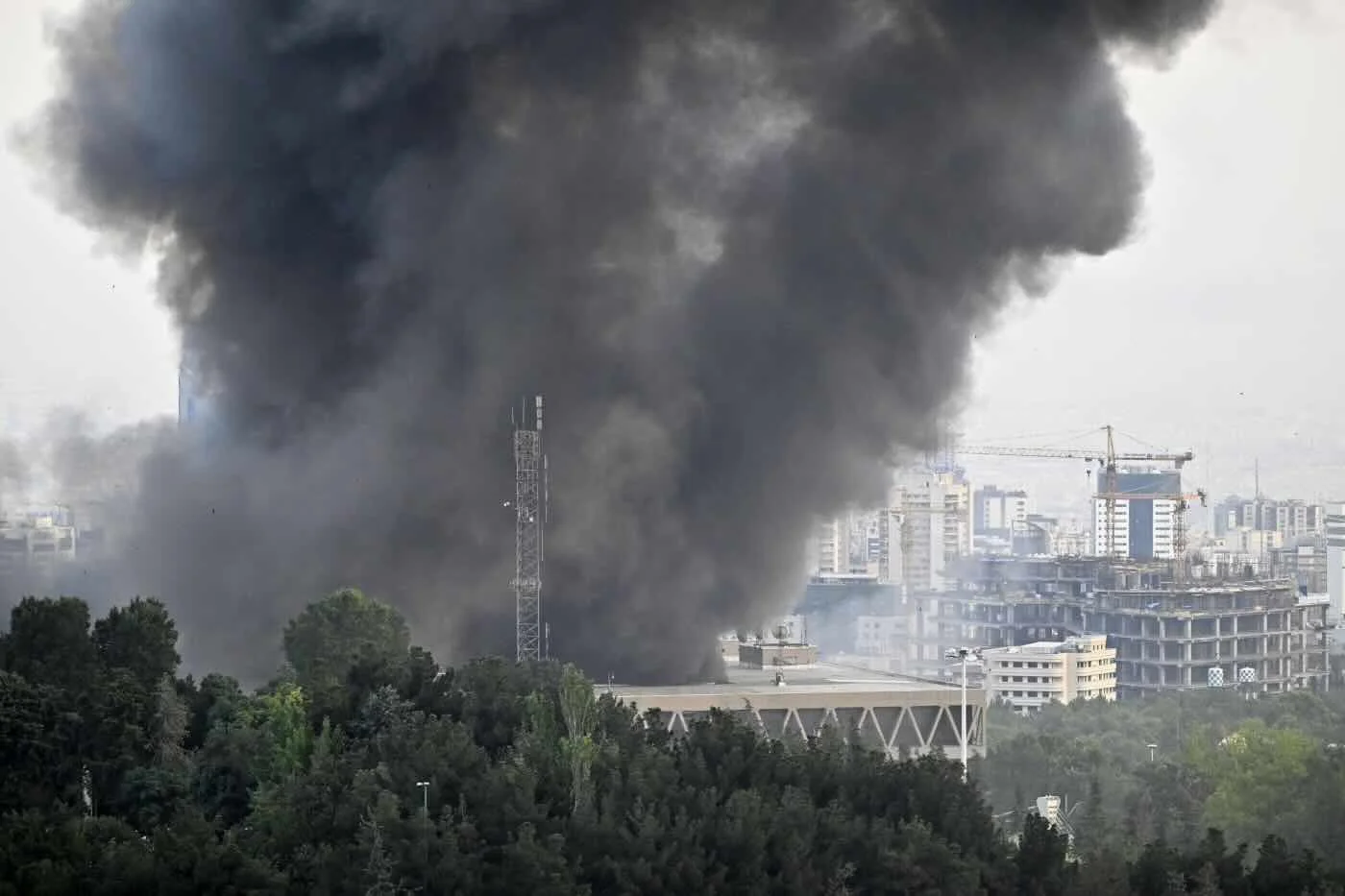
Last month it looked as though the 1979 Iranian revolution that is the subject of Scott Anderson’s new book might be overturned. Over 12 tempestuous days the air forces of Israel and the United States pounded the Islamic Republic with the aim of destroying its nuclear infrastructure and — in the words of Binyamin Netanyahu — inspiring Iranians to topple their rulers.
Heard of Alex Phillips? Neither had I, until last month when she popped up on the BBC calling for non-Christian faith schools and the burqa to be banned.
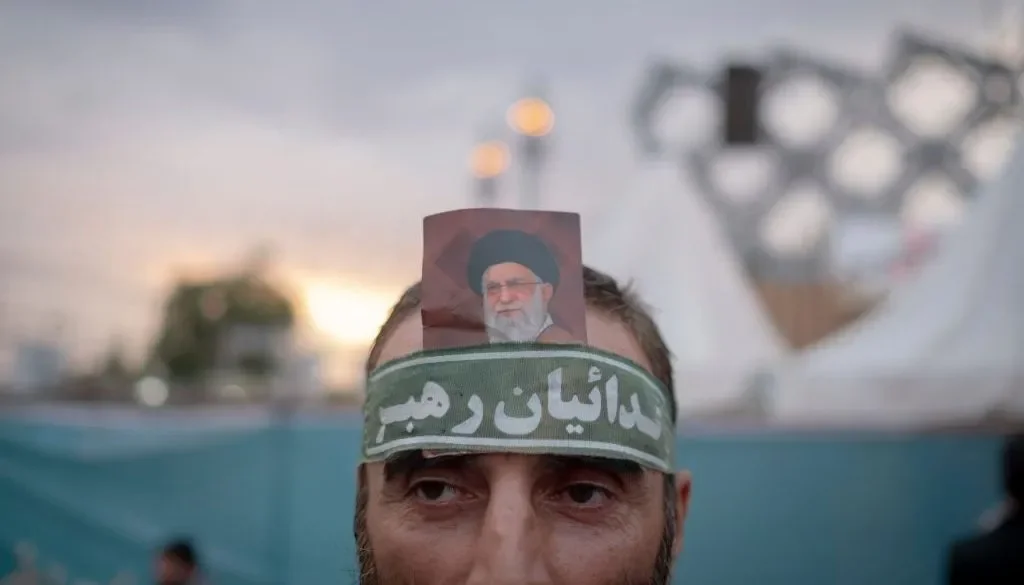
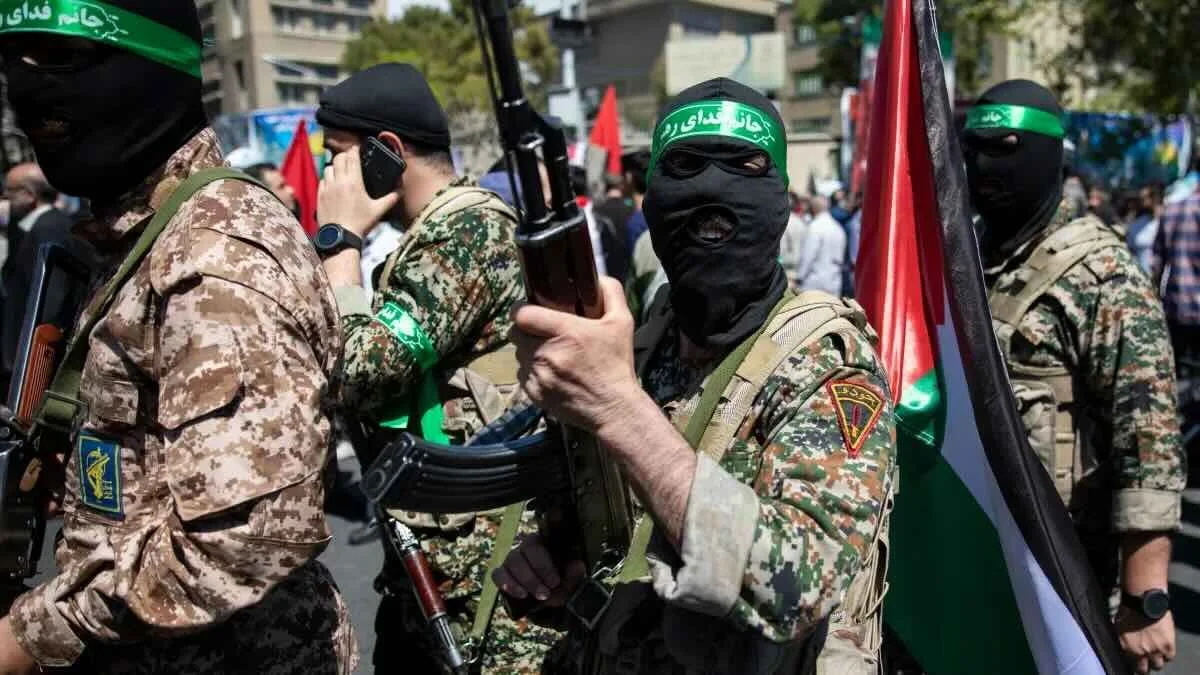
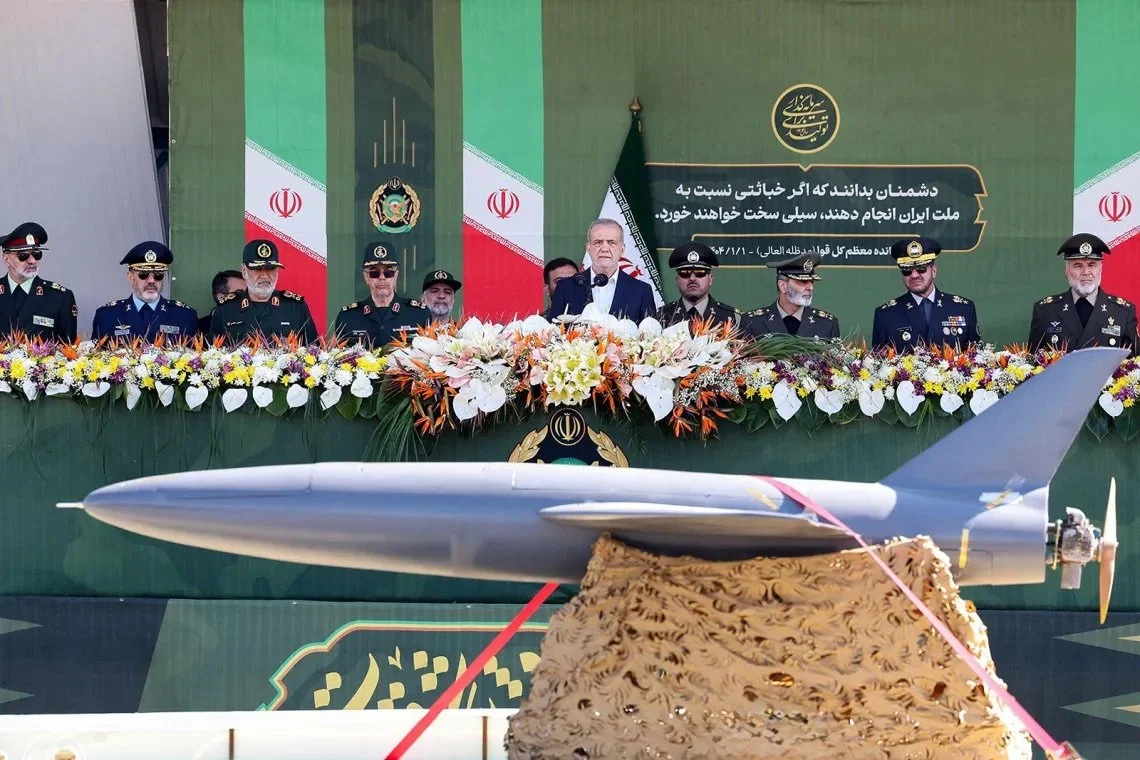
It has its own ground forces, navy and intelligence service and controls Iran’s arsenal of drones and missiles. Its Quds or “Jerusalem” Force is charged with spreading the revolution through war and indoctrination from Iraq to the Horn of Africa.
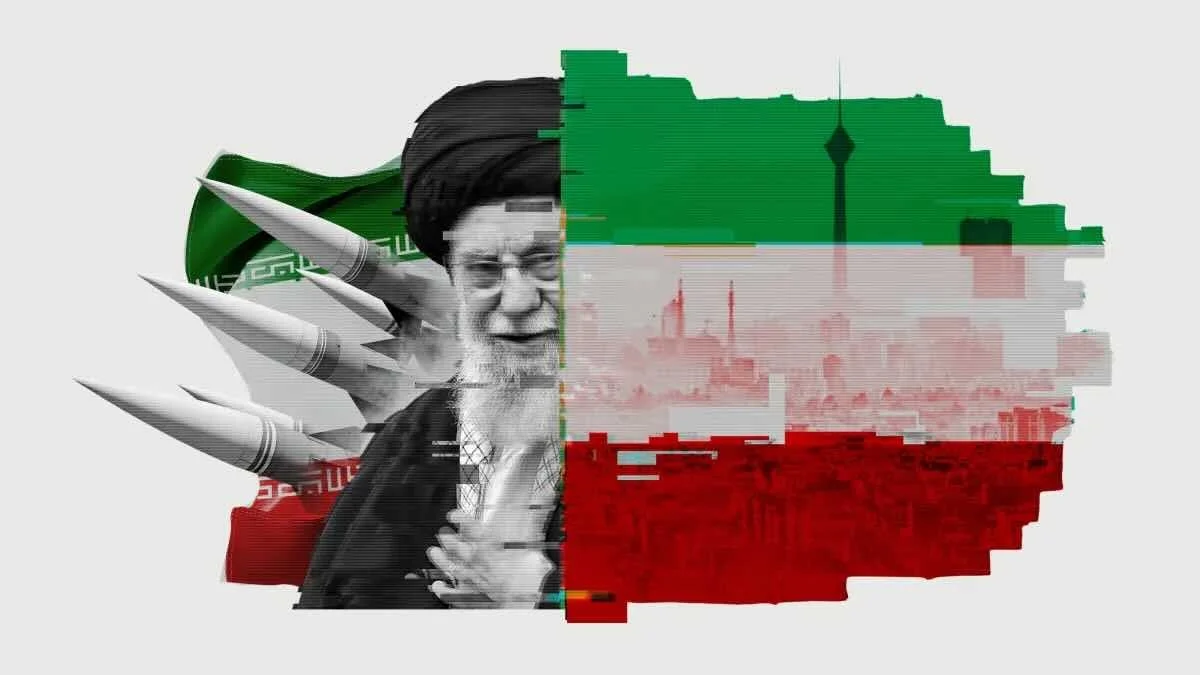
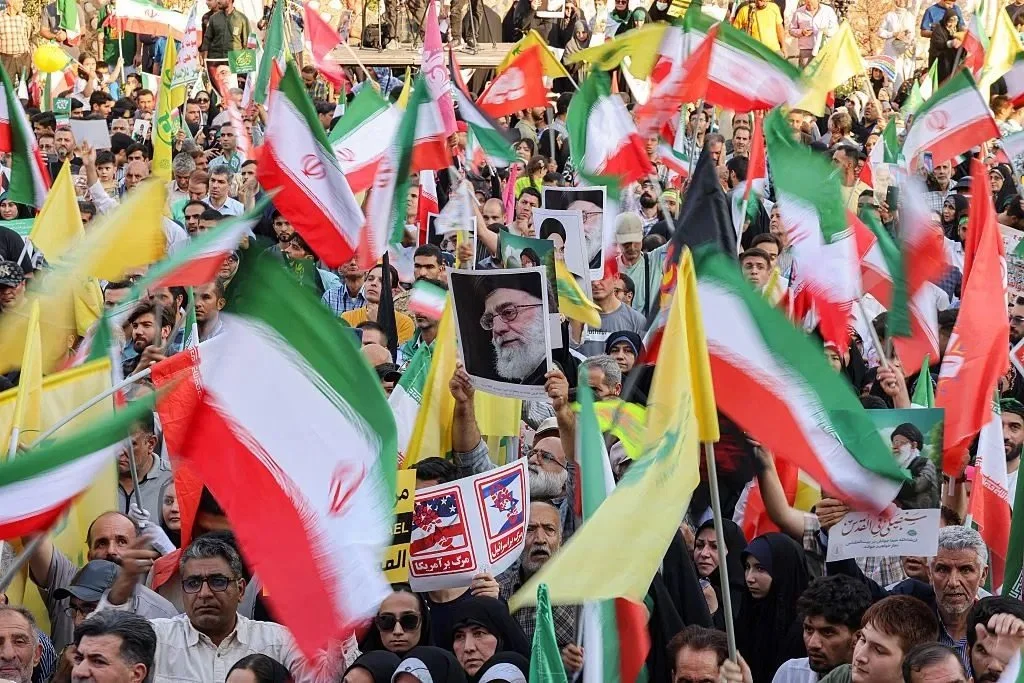
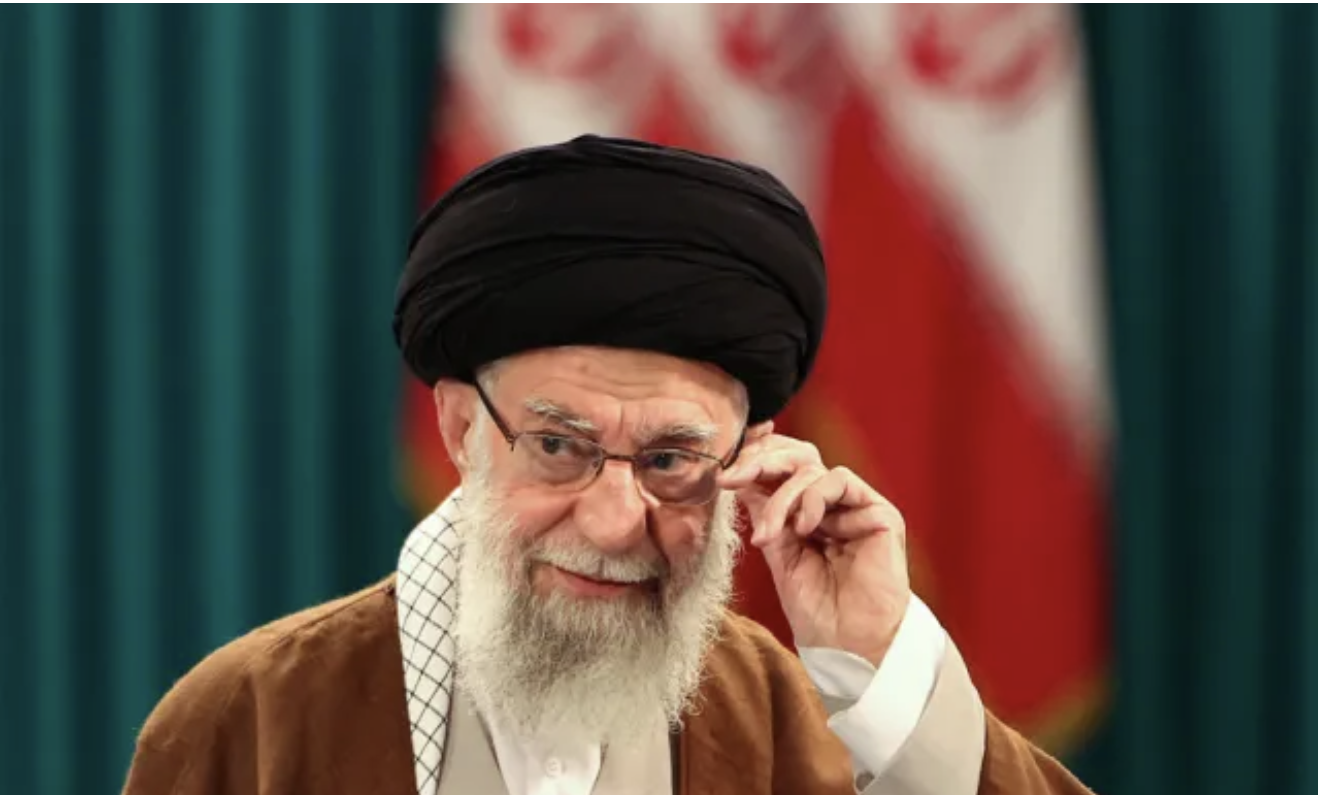
The closest I ever came to Ayatollah Ali Khamenei was in the summer of 2009, during the Green Movement that brought millions of Iranians on to the streets to protest against a presidential election that had been rigged in favour of the Ayatollah’s preferred candidate.
In his fortified bunker, wherever that may be, in front of an institutional beige curtain, the old man with a black turban, diaphanous gown and a pink, rather sweet face did not hide his disappointment with Donald Trump.
It is safe to assume that over the years many Iranians, when passing the Tehran headquarters of the Islamic Republic’s broadcasting company, Sound and Vision, have found themselves muttering, “someone should drop a bomb on this place.”
“We’re living in a state of war now,” said a friend in the desert city of Kashan. She had been woken in the early hours of Friday by Israel’s aerial attack on the nearby uranium enrichment facility at Natanz. Around the same time, in desirable north Tehran, the penthouse home of Ali Shamkhani, a key aide of the supreme leader, was neatly dissected by an Israeli missile.
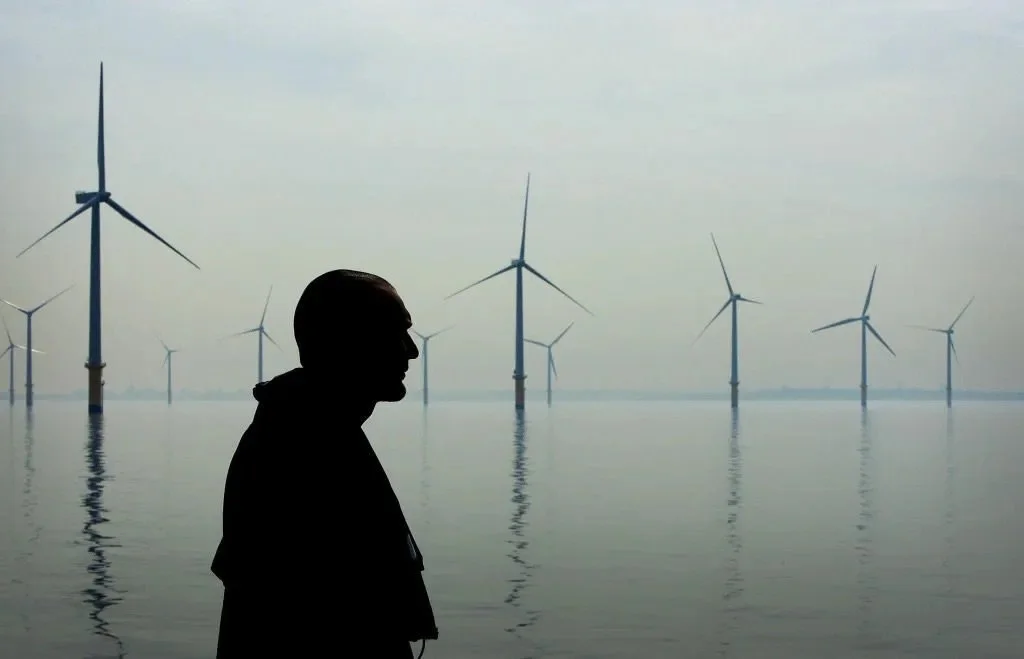
As climate change lengthens its stride, our response is becoming increasingly polarised. Nigel Farage’s talk of “Net Zero lunacy” helped Reform win hundreds of council seats and a by-election earlier this month, while Tony Blair’s comment that Net Zero is “doomed to fail”, which he later revoked, was seized on by environmentalists as evidence of betrayal.
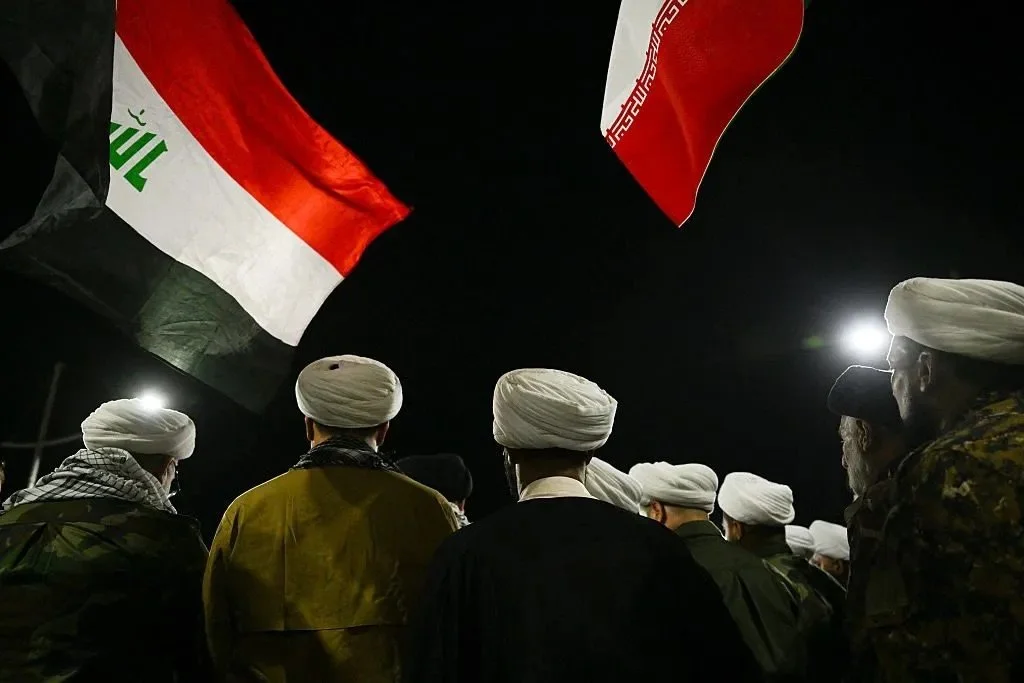
For the past forty-six years, since the Iranian Revolution of 1979, the enmity between Iran and the United States has been a major factor in Middle East politics. Washington objects to Iran’s nuclear and ballistic missile programs and its support for Hezbollah in Lebanon, the Houthis of Yemen, and other members of the “axis of resistance” to Israel and the US in the region
The expression on Benjamin Netanyahu’s face on 7 April as Donald Trump announced that the United States would begin “direct talks with Iran” suggested physical pain. Israel’s prime minister insists that Iran’s nuclear facilities must be blown up “under American supervision, with American execution”, and that the Islamic Republic must submit to a “Libya-style” solution which, in the case of Colonel Gaddafi, not only ended his nuclear programme but led to his overthrow and execution.
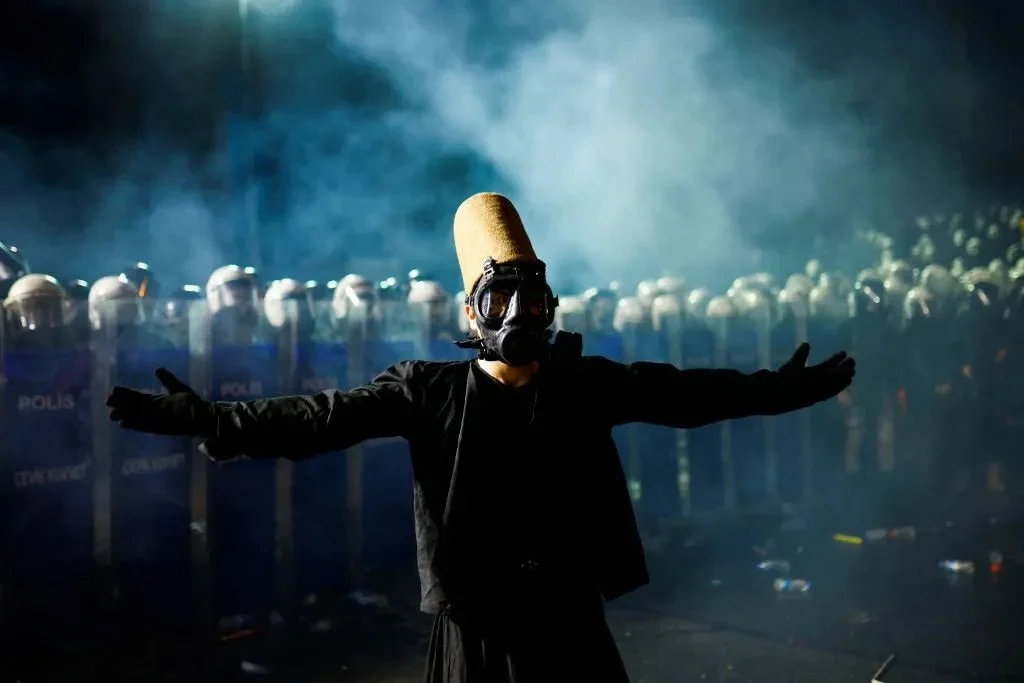
Freshly-shaved, in a pressed shirt and exhibiting the merest hint of a pot-belly from all those kebabs on the go, Ekrem İmamoğlu, the mayor of Istanbul, knotted his blue tie while standing in his dressing room at home.
The Square of the Three Powers in Brasília is the constitutional center of Brazil. Anchored on three sides by the glass cube of the Supreme Federal Court, the canopied parallelogram of the Planalto Palace, which contains the offices of the president and other high-ranking officials, and the twin towers of the Congress building, it was intended by the capital’s planners in the 1950s to embody the harmonious coexistence of the three branches of government.
Since October 7, 2023, the long arm of Iran has seemingly been everywhere in the crises that have beset the Middle East. With its eye on Hezbollah, Iran’s heavily armed Shiite ally in Lebanon, Israel was wholly unprepared for the devastating ground assault launched from Gaza by Hamas, a Palestinian militant group that was also backed by the Islamic Republic.
Is this the end of Erdoğan? Turkey's pro-democracy movement stands alone
Freshly-shaved, in a pressed shirt and exhibiting the merest hint of a pot-belly from all those kebabs on the go, Ekrem İmamoğlu, the mayor of Istanbul, knotted his blue tie while standing in his dressing room at home.